
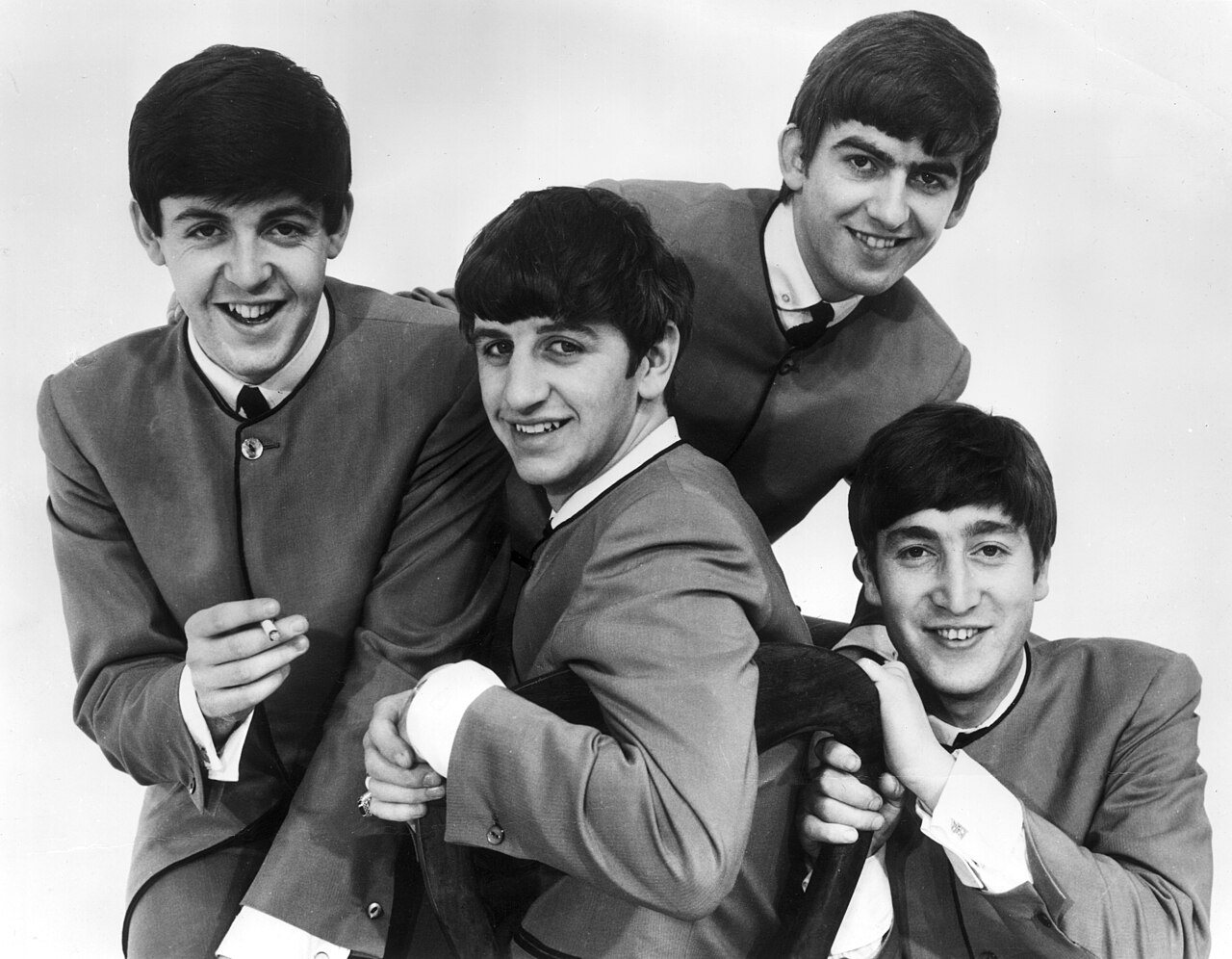







RIP Brian Wilson, The Beach Boys’ Gifted Architect of Sound
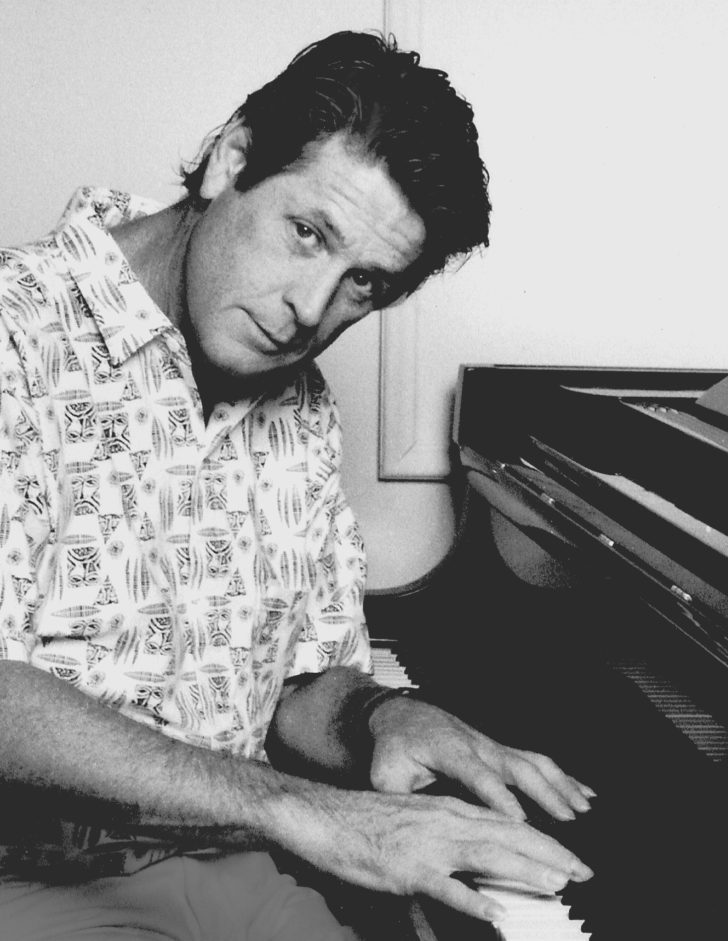
Brian Wilson, the visionary behind the Beach Boys’ most transcendent work, has died at 82. From "Surfer Girl" to "Good Vibrations" his genius reshaped pop into poetry—and made music that felt like memory.
 Story by:
Editorial Dept.
Story by:
Editorial Dept.
The silence that followed the news of Beach Boys creative mastermind Brian Wilson’s death at age 82 on June 11, 2025, felt different somehow—heavier, more profound.

Wilson didn’t just write songs; he architected emotions. While his bandmates were content crafting surf anthems, Brian was in the studio at 3 AM, layering bicycle bells over orchestra arrangements, coaxing otherworldly sounds from Coca-Cola cans. The man who famously had sand dumped around his piano to “feel the California vibe” understood that music could be sculpture, that sound had geography.
Pet Sounds, released in 1966, remains his cathedral—a work so revolutionary that Paul McCartney called it the direct inspiration for Sgt. Pepper’s. But the album nearly broke him. Studio musicians from the legendary Wrecking Crew recalled watching Wilson conduct disparate musical fragments across multiple studios, building what he called “pocket symphonies” one impossible layer at a time. He’d demonstrate parts individually, earning the nickname “Stalin of the studio” (from his bandmate Mike Love, no less) though his dictatorship was born of vision, not ego.
The cost was immense. Wilson’s childhood was scarred by his father Murry’s physical and emotional abuse. The auditory hallucinations from his schizoaffective disorder created a constant internal soundtrack of criticism and cruelty. “Every few minutes the voices say something derogatory to me,” he once confessed. “It’s like a fight.” That same fractured mind, however, could hear harmonic possibilities that escaped everyone else.
“Good Vibrations” took seven months and $50,000 to complete—astronomical figures for 1966. Wilson pieced it together like a sonic puzzle, recording sections at different studios to capture unique acoustic signatures. The theremin’s ghostly wail wasn’t just an effect; it was Wilson translating the untranslatable, giving voice to feelings that existed between major and minor keys.

There’s a wonderful irony in how this man, who struggled with basic social interactions, created music that felt like intimate conversations. Listening to “God Only Knows”—which McCartney deemed “the greatest song ever written”—you hear someone delivering your own internal monologue with painstaking care and breathtaking beauty. The song’s unusual structure and its lack of a traditional chorus mirrors the way real love unfolds: messily, unexpectedly, devastatingly.
Wilson’s decline in the late 1960s was as dramatic as his rise to fame in the early 1960s. The failed SMiLE sessions (which finally released in 2011) became pop music legend—brilliant fragments scattered like beach glass, beautiful but sharp to the touch. He spent much of the 1970s in bed, trapped by depression and the manipulations of Dr. Eugene Landy, whose controversial treatment methods bordered on psychological imprisonment.
Salvation came in the form of Melinda Ledbetter, whom he met at a Cadillac dealership in 1986. Their love story reads like something from his songs—improbable, healing, redemptive. Melinda helped free him from Landy’s control, and together they rebuilt his life, piece by careful piece. When Wilson finally completed SMiLE in 2004, 37 years after abandoning it, the standing ovation at the Royal Festival Hall lasted longer than some of his songs.
The tributes following his death revealed the breadth of his influence. Paul McCartney’s statement was particularly moving: “Brian had that mysterious sense of musical genius that made his songs so achingly special… How we will continue without Brian Wilson, ‘God Only Knows’. Thank you, Brian.” Artists from Bob Dylan to Elton John echoed similar sentiments, acknowledging debts that span generations.

Modern indie artists have practically built careers on Wilson’s blueprint. Fleet Foxes sampled his vocals; Animal Collective made his experimental techniques their religion. The fact that Radiohead and Frank Ocean both cite Pet Sounds as transformative speaks to its timeless strangeness—the way Wilson’s most personal obsessions became universal languages bridging generational and musical divides.
But perhaps Wilson’s greatest achievement wasn’t technical innovation—it was proving that popular music could bear the weight of genuine emotion without breaking. In an industry built on surfaces, he dug deeper, crafting songs that acknowledged joy and melancholy as inseparable partners. “Don’t Worry Baby” isn’t just about reassurance; it’s about the beautiful vulnerability of needing someone else’s strength.

His final years brought both decline and dignity. The conservatorship following Melinda’s death in 2024 was a sad echo of earlier control by his father and his doctor, but those who knew him described a man who remained gentle, curious about new music, delighted by his grandchildren’s visits. He never stopped hearing melodies—even as dementia claimed other faculties, the musical part of his brain remained intact.
There’s something profoundly American about Brian Wilson’s story—the collision of innocence and sophistication, the price of pushing boundaries, the possibility of redemption. He took one of the most disposable genres of its time—surf rock—and transformed it into high art without losing its essential sweetness. In doing so, he didn’t just change music; he expanded its emotional vocabulary.
As we mourn his passing, we might remember that Wilson always believed music should make people feel less alone. Mission accomplished, Brian. The harmonies he built with the Beach Boys and beyond will outlast the pain that inspired them, and somewhere tonight, in bedrooms (“In My Room” perhaps) and studios around the world, young musicians are discovering that bicycle bells can sound like church chimes, that love songs can contain symphonies, and that the most beautiful sounds often come from the most broken places.
The waves keep rolling in, but the beach will never sound quite the same.


Comments 0
No Readers' Pick yet.