


Touring Culture, Fan Lifestyles, and Places Between the Shows
 Story by:
Music Blog
Story by:
Music Blog
There is a lot more to live music than meets the eye on stage. This is because touring forms some form of social glue, connecting people and places. Life on the road, the festivals, the long drives… all this has become as significant as the songs are.
The experience is in full swing long before the music starts. It begins much earlier: in planning with friends, they anticipate the journey, the activities they partake in, and the stories drawn out endlessly that one recalls long after the final encore. To both fans and artists, a concert may characterize a week and not just one night.
Touring Long Nights and Longer Downtime
The beats are fast and very unpredictable to musicians who tour. You may work only an hour, but that hour is surrounded by traveling, waiting around, soundchecks, and late wind-downs. This is what has always been the culture of touring, and it means keeping busy, playing mini games, even gambling in the backroom, or quiet moments gazing out of the window of the tour van between cities.
In 2026 and beyond, that idle time will be filled with digital entertainment. They relax by playing music, watching videos of previous performances, or keeping updated on news of the festival and the events happening in the world. All this is part of a shift in the manner in which musicians on the road relax.
This isn’t about taking a break just to pass the time. Due to the tightening of schedules and the growing global travel, touring has become more challenging. The need to rest between performances has become the only way to stay on top of the performance as well as stay healthy mentally and physically.
Fans Build Entire Trips Around Live Music
Fans today do not simply go to concerts; instead, they plan their trips around them. Going to festivals abroad, to music cities, and arranging a multi-day tour is a routine. The whole experience encompasses the city, the venue, the local scene, and the nightlife, not just the music. Fans discuss music and tours in bars, restaurants, hotel lobbies, and on the internet. Some people spend their time with digital entertainment, whether it is playing video games, gambling online, or reading crypto casino reviews; it is all a part of the larger nightlife culture that surrounds the live shows.
Cryptocurrency-based online platforms have become more popular in online entertainment platforms, especially in recent years, among younger and more tech-savvy groups. It has turned the content related to crypto-gambling into what can be considered a natural continuation of the larger digital nightlife that exists alongside live music events.
Digital leisure does not come to replace live music, but it complements it, providing amusement during times when there is no performance and keeping the atmosphere of the night alive.
Lifestyle Experiences at Festivals
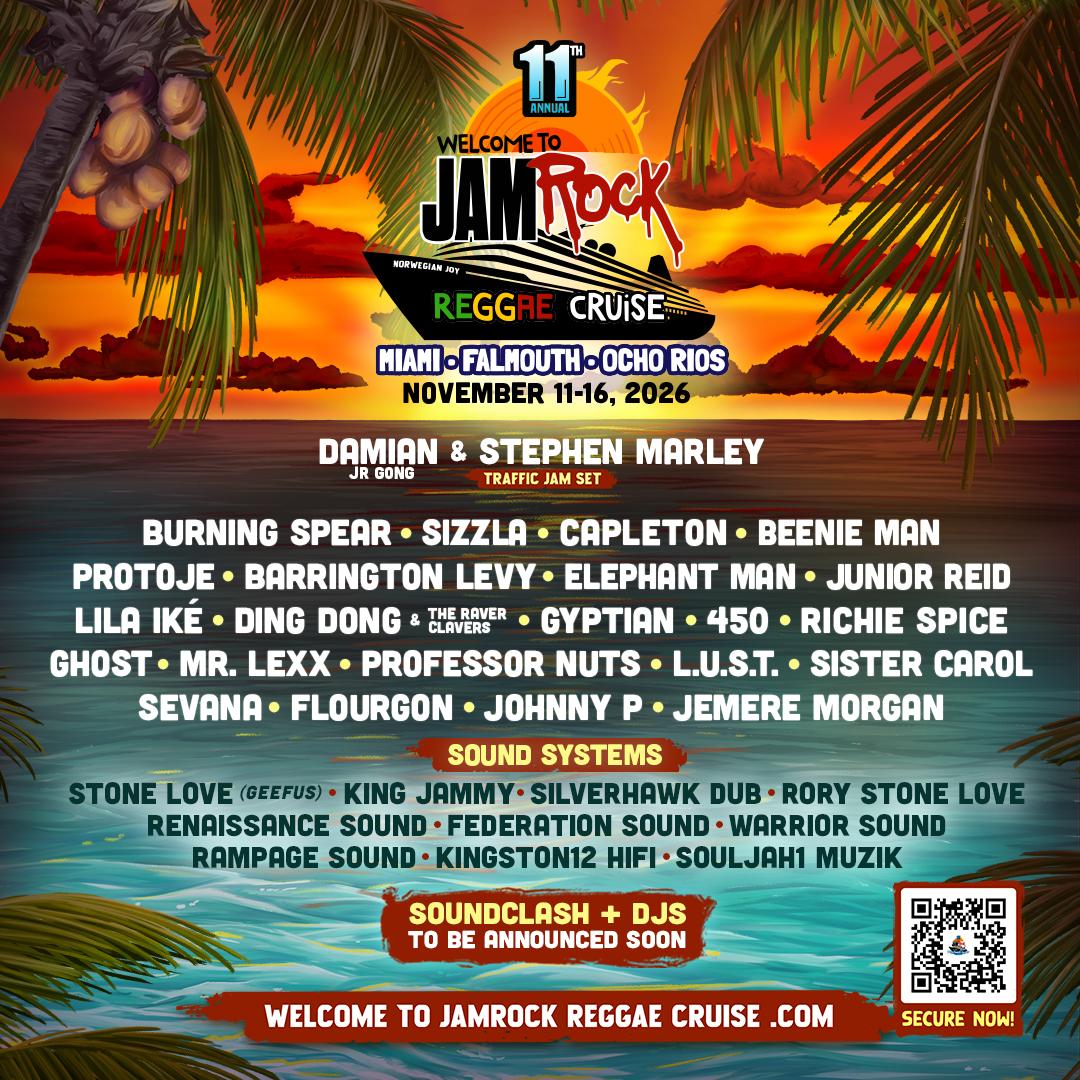
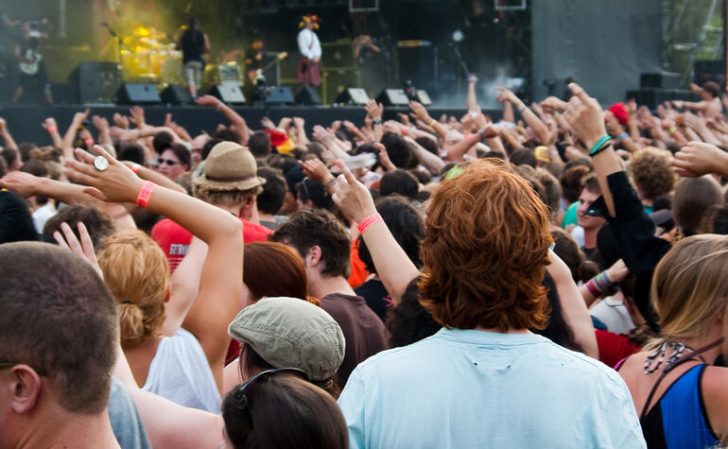
Festivals are no longer characterized by just their lineups. These are highly edited spaces that aim at getting visitors to stay for days at a time. Rather than being just a sequence of concerts, modern festivals have turned into full-fledged and temporary villages that have been developed through experience.
Nowadays, art installations, local food, wellness, and interactive spaces are necessary. This change is an indication of what the current audience actually desires not only to watch but to experience. The outcome is the creation of a free atmosphere where individuals roam freely without any form of restrictions across the borders of live music, social networking, and individual discoveries.
Digital habits can be easily incorporated into this rhythm, be it sharing clips or checking the schedules, or just relaxing after a long day of working on their feet.
Small Venues Still Matter in Live Music
Although big festivals and arena tours are the main pillars of live music culture, small venues are still its foundation. Pop-up shows, as well as clubs and independent spaces, still provide something unavailable in large productions: immediacy and connection.
Even today, such human little moments do count. They co-exist with the massive festivals. Fans adore being intimate with artists; the immediacy makes them feel that they are a part of something. And in the case of artists, it is frequently in those in-between areas where new ideas are experimented with, and actual creative magic occurs, night after night.
However digital our world may be, the best thing about live music remains as human as ever; late nights on the road, a ride with your friends, a post-music chat outside the venue. That’s the heart of it.
An Interrelated Live Music Culture
Be it live or not, music is not only about the sound, but also the connection. Artists post their on-the-road moments in real time on the Internet, and fans post their clips immediately after the show is broadcast. With that immediate, mutual experience, a gig in one town may be turned into a worldwide event overnight.
The scenes are growing faster, crossing borders and genres without much challenge. Within hours, a concert in a small hall can be heard the world over, which confirms that live music and online culture do not compete but live together.
The Future
With the growth of touring and live events becoming more and more innovative, the transition between the shows will also continue to develop as the performances do. It can be an artist on their way home after another overnight drive or a fan after a festival day; these are some of the moments that live music is remembered and sustained.
The stage is no longer the location of live music. It is emotional, made by the traveling, the break time, the connection, and the culture that is created around the sound, even when the speakers are turned off.


Comments 0
No Readers' Pick yet.