







Surf Twang to Metal Shred: Guitars That Bridge Two Worlds
Versatile guitars are bridging the gap between surf's bright, splashy tones and metal's heavy, high-gain riffs, offering adjustable electronics, fast neck profiles, and stable hardware to master both styles effortlessly.
 Story by:
Music Blog
Story by:
Music Blog
The sound is a surf guitar with bright, splashy, springy tones. Now, take that same instrument, feed the sound into a high-gain amp, and churn out crushing metal riffs. On the face of it, these styles couldn’t be more different, but the perfect guitar can tackle both with ease.
The trick is to locate instruments with adaptable electronics, pleasant necks, and stable hardware. Genre is a suggestion, waiting to be broken. Whether you’re chasing the ghost of Dick Dale or trying to channel your inner Dimebag, certain guitars can help you push the boundaries of genre.
The Baritone Advantage
In this conversation, baritone guitars deserve special attention. They have a unique space between standard guitars and bass instruments, with their extended scale lengths (typically 27″ or longer). This extra length offers several key benefits:
- Tuning stability: For both surf’s dropped tuned twang and metal’s dropped tuned brutality.
- String tension: Tension that remains tight with heavier gauges
- Sonic range: Covering surf’s moody depths and metal’s crushing lows
A lot of players overlook baritone guitars even though they are one of the most versatile instruments for crossing genre boundaries. Their large scale is very suited to playing the low tunings normally used in surf and metal music.
Neck Profiles for Speed and Comfort
The right foundation is needed for fast playing. The neck makes all the difference whether you’re playing surf’s rapid alternate picking or metal’s aggressive downstrokes.
- Slim taper profiles allow for effortless movement over the fretboard
- Compound radius fretboards strike a happy balance between speed for leads and comfort for chords
- Satin finishes keep sticky hands away from marathon sessions
Extended scale lengths go further with baritone guitars. With lighter gauges, the extra fretboard real estate is surprisingly nimble for surf’s signature runs, but provides stability for drop tunings.
Pickup Possibilities
Tonal versatility starts with the right magnetic configuration:
- That classic surf sparkle comes from single coils
- Humbuckers provide the thick distortion that metal demands.
- Punchy midrange with P90s split the difference
The Fender Jaguar is unique in this regard, as its bright single coils nail surf tones, while the rhythm circuit’s darker voicing works surprisingly well for doom riffs. For modern players, coil-splitting humbuckers or Filter’Tron-equipped guitars are available for the best of both worlds.
Humbuckers are often present on baritone guitars to accommodate their extended range, but some models feature P90s or jazz pickups that get the surf twang just right while still delivering enough output for metal.
Tremolo Systems That Can Handle Hard Playing
From subtle vibrato to extreme divebombs, a good tremolo system is essential:
- Vintage-style trem captures that classic surf wobble
- During metal mayhem, locking systems keep tuning stable
- Baritone players can get simplicity with hardtail bridges
The secret is finding the sweet spot between responsive enough for surf’s delicate vibrato, but sturdy enough for metal’s whammy bar abuse. Fixed bridges are many baritone model’s choice to maximize sustain and tuning stability in lower registers.
Scale Length Considerations
String tension needs to vary from genre to genre.
Shorter scales favor bending and vibrato, which are very useful for surf’s melodic leads. For downtuned metal riffing, longer scales give tightness. Baritone guitars have a special place here, with their extended lengths (usually 27″ to 30.5″) keeping low tunings articulate but playable.
This is a great setup for players who want to try out surf’s low tuned twang (think Dick Dale’s C# standard) and metal’s crushing drop tunings without having to have two instruments.
Standout Models for Both Worlds
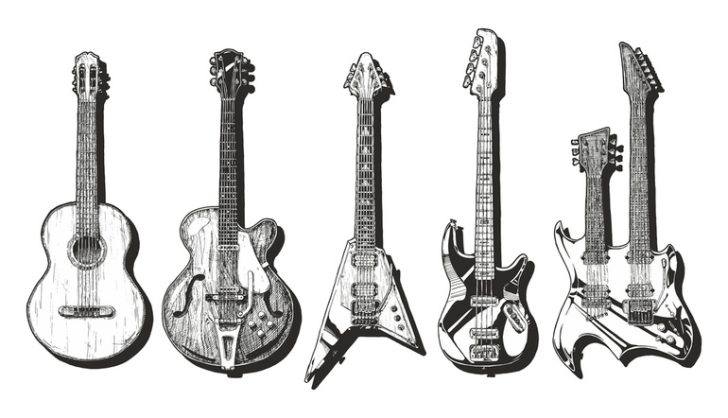
There are plenty of guitars in the market that excel at this duality, such as the Fender Jaguar or hollowbody models like the PRS SE Hollowbody.
Still a surf icon, the Fender Jaguar can be made metal-ready with a pickup swap. The Gretsch baritone models, Electromatic Baritone in particular, are known for delivering twang and heft in one package. The Charvel DK24 offers modern playability with vintage tones from superstrats.
The PRS SE Hollowbody II offers hollowbody options that surprise with their ability to take gain, and Gibson SGs prove that thin doesn’t equal weak. Music Man Cutlass models are for those who want extreme versatility, strats with noise-cancelling pickups.
If you’re a baritone enthusiast, you should check out the Danelectro 59 Baritone for its surf-ready jangle or the Schecter Ultra Baritone for its metal-ready performance.
Dialing In Your Sound
The right guitar is just the beginning:
- Bright amps with spring reverb are required for surf settings.
- Tight, high-gain circuits are needed for metal tones.
- EQ pedals can be used to shape frequencies in hybrid approaches.
For baritone players, experimenting with string gauges (lighter sets such as .012-.056 for surf, heavier sets such as .014-.068 for doom) will help maximize the potential of the instrument. When switching between styles, a good compressor pedal can help even out the dynamics.
Breaking Genre Barriers
It’s at the intersections that the most exciting music happens. Versatility is great, but a guitar that can conjure both the carefree energy of surf and the aggressive power of metal is liberating.
This philosophy is exemplified by baritone guitars, which show that you don’t have to pick between genres if you approach it with the right mindset. These instruments remind us that categories are meant to be blurred, whether you’re tracking surf licks at noon or writing sludgy riffs at midnight.


Comments 0
No Readers' Pick yet.