








DIY Music Spaces: Transforming Dorm Rooms into Creative Studios
Unlock your dorm's potential as a music studio with savvy tips, affordable gear, and noise hacks to keep your creative vibe alive, even in tight spaces.
 Story by:
Music Blog
Story by:
Music Blog
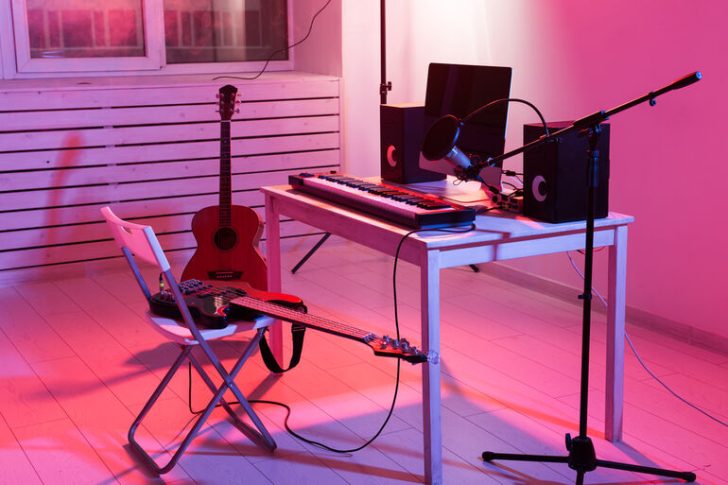
Dorm life doesn’t have to stand in the way of your musical ambitions. With some student tips, a bit of planning, and a budget-friendly approach, you can transform your cramped college living space into a working studio. In the following guide, you’ll learn how to make a music studio within the limitations of your dorm.
In many cases, dorm room transformations involve juggling busy schedules, limited finances, and tight living quarters. If juggling your creative pursuits and academic responsibilities feels overwhelming, you should always consider seeking outside help in writing or research.
Many students in similar situations explore ghostwriting österreich as a practical option when they need extra support.
Why Turn a Dorm Room into a Studio?
Dorm life is often synonymous with small spaces and noise restrictions. Still, many iconic artists began their musical journeys in similarly modest environments. If you piece together a compact setup, you can:
- Stay inspired while balancing classes and social activities.
- Develop hands-on production skills that carry you beyond college.
- Save money on renting professional studio spaces.
Plus, having a personal music sanctuary right where you live can spark spontaneous creativity – ideal for capturing those late-night ideas when a trip across town is the last thing on your mind.
The Equipment for a Dorm-Based Studio
1. Laptop or Computer
Your laptop is the nerve center of any dorm-based studio. Most production software (like Ableton Live, FL Studio, or Pro Tools) can run on a mid-range laptop. However, ensure yours meets the minimum system requirements of your chosen DAW, so you don’t encounter performance hiccups.
2. Audio Interface
An audio interface handles microphone and instrument inputs while also controlling speaker or headphone outputs. Compact, beginner-friendly interfaces are widely available and can be stowed away in a desk drawer when not in use.
3. Headphones or Monitors
Space constraints and noise restrictions often make headphones a dorm musician’s best friend. Look for closed-back headphones to minimize sound bleed. If dorm rules allow, consider small monitors with nearfield listening for a more authentic mix. You can always switch between headphones and monitors to test how your tracks translate in different settings.
4. Microphone(s)
A single, versatile condenser mic can capture vocals and acoustic instruments and even serve as a room mic if you experiment with different recording techniques. Dynamic microphones (like the classic Shure SM57) are also budget-friendly and durable.
How To Make a Music Studio At Home?
Okay, we’ve got the tools; now it’s time for the home music studio tips.
1. Desk Placement
Try to position your desk away from corners and large reflective surfaces. If possible, place it so you have some open space behind you – this reduces sound reflections bouncing directly back at your ears.
2. Acoustic Treatments
Though dorms rarely allow permanent modifications, you can make do with portable options. Thick blankets, foam panels mounted on removable strips, or even sturdy cardboard can help absorb echoes. The primary goal is controlling unwanted reflections and eliminating overly boomy bass frequencies.
3. Multi-Use Furniture
Dorm furniture can do double-duty as acoustic treatment or storage. Position bookshelves to function as makeshift diffusers. Drape thick bedding or throw it over hard surfaces during recording sessions to minimize echoes.
Student Tips for Noise Control
- Schedule Wisely: Record when your roommates or neighbors are out, so you can focus without causing disruptions.
- Communicate: Let your neighbors know when you plan to record. Respecting quiet hours fosters good relationships and keeps complaints at bay.
- Use Volume Management Tools: Many DAWs offer volume automation and headphone mixing features that let you keep your sound levels low while still working effectively.
A Quick Look at Setup Possibilities
|
Setup Element |
Basic Option |
Intermediate Upgrade |
|
Computer |
Mid-Range Laptop |
High-Performance Laptop or Desktop |
|
DAW |
Free or Affordable Software (e.g., Reaper) |
Pro Tools, Ableton Live, Logic Pro |
|
Audio Interface |
1-2 Channel Interface |
Multi-Channel Interface |
|
Microphone |
Single Condenser Mic |
Condenser & Dynamic Mic Combo |
|
Headphones/Monitors |
Closed-Back Headphones |
Monitors (When Noise Rules Allow) |
|
Acoustic Treatment |
Blankets, Rugs, Pillow Forts |
Dedicated Acoustic Panels |
Respecting Shared Spaces While Creating Your Dorm Room Studio
There’s no need to limit yourself. Just follow your vibe and make sure you don’t ruin your neighbors’ days and nights – keep the volume reasonable, record during quieter hours, and always give your hallmates a heads-up if you’re planning a longer session. A little consideration goes a long way, especially when you’re turning your creative energy into full-on studio vibes within shared walls.


Comments 0
No Readers' Pick yet.